
The giant saguaro: 7 fun facts & where to see them
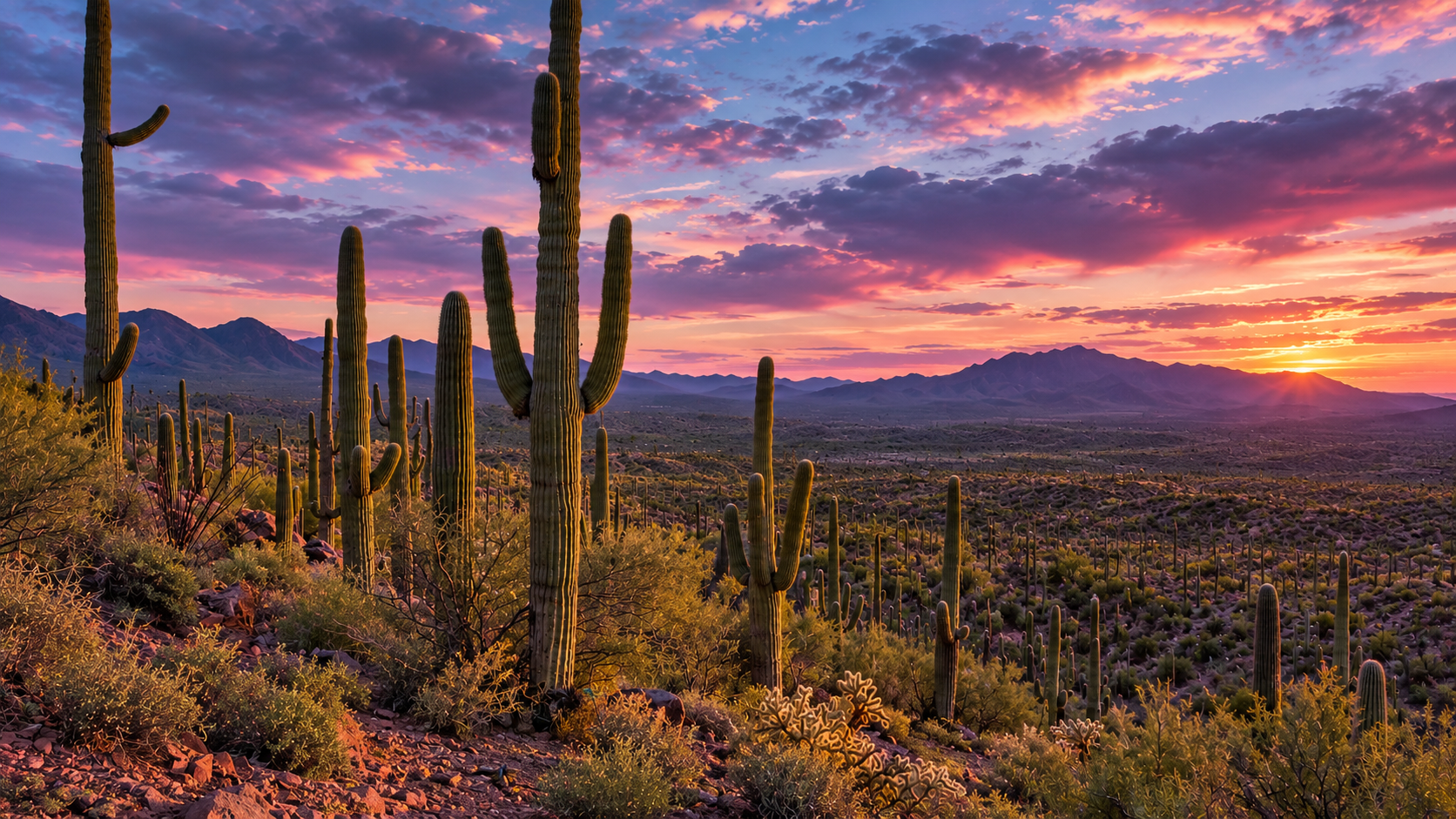
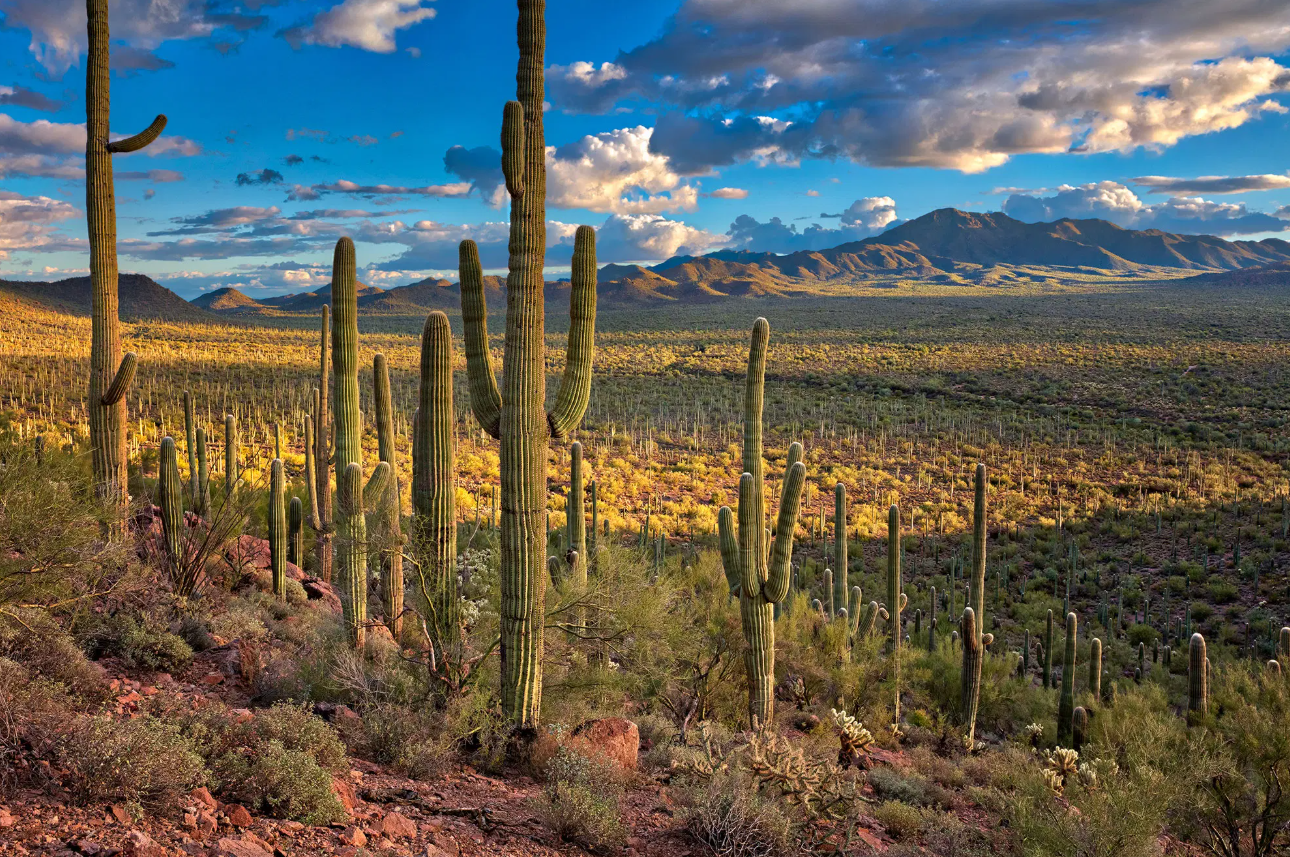
If you’ve ever looked out over the Sonoran Desert, there is one iconic silhouette that immediately catches your eye: the Giant Saguaro (Carnegiea gigantea). Found exclusively in our corner of the world, these majestic giants are much more than prickly scenery, they are a vital part of Southern Arizona’s ecosystem and rich natural history.
Whether you're visiting for a quick weekend getaway or an extended desert retreat, here is your quick guide to understanding our most famous local residents and where to find the best views during your stay!
7 Fun Facts About
the Giant Saguaro
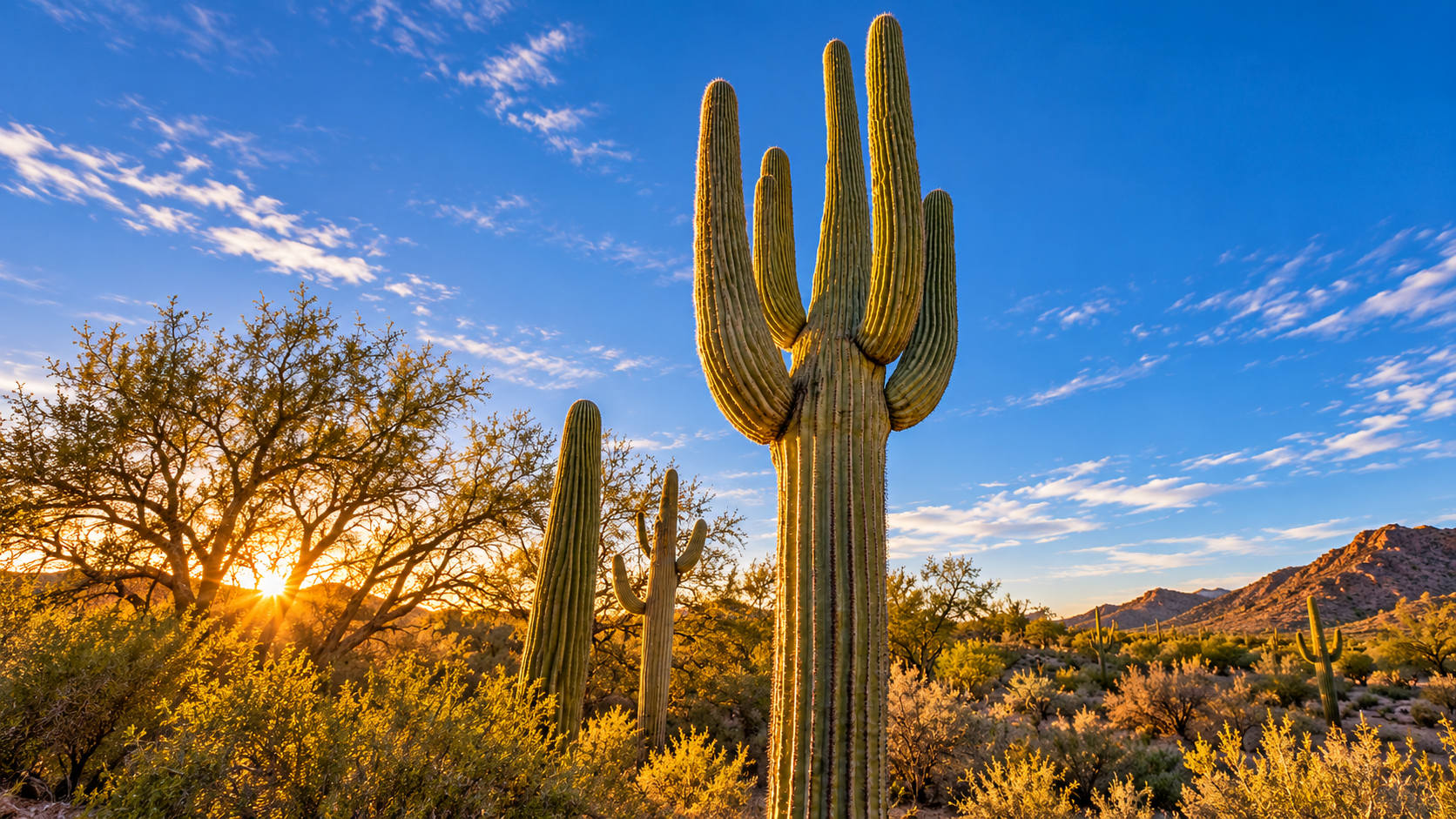
#1 Slow Growers with Long Lifespans:
Saguaros take their time! A ten-year-old saguaro seedling might only be two inches tall, often relying on a "nurse tree" like a palo verde or mesquite, for shade and shelter during its vulnerable first decade. They typically don't grow their iconic "arms" until they are around 75 to 100 years old, reaching full height around 150 to 200 years. Standing next to one of these giants means you are looking at a living piece of Sonoran Desert history!
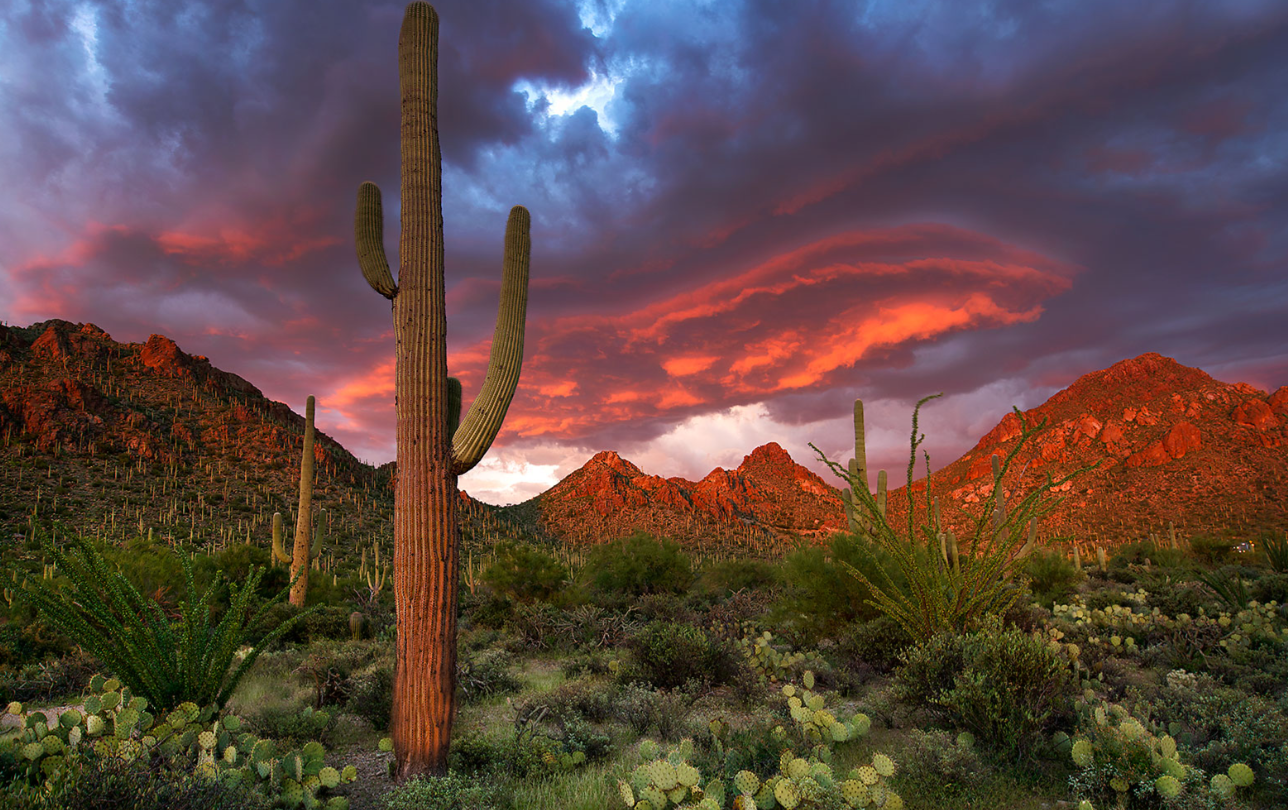
#2 Built for Water Storage:
When monsoon rains fall, a mature saguaro's pleated skin expands like an accordion to soak up as much moisture as possible. A fully hydrated adult saguaro can absorb over 200 gallons (1,500+ pounds) of water in a single storm, storing it in its spongy interior to thrive through months of scorching desert heat.
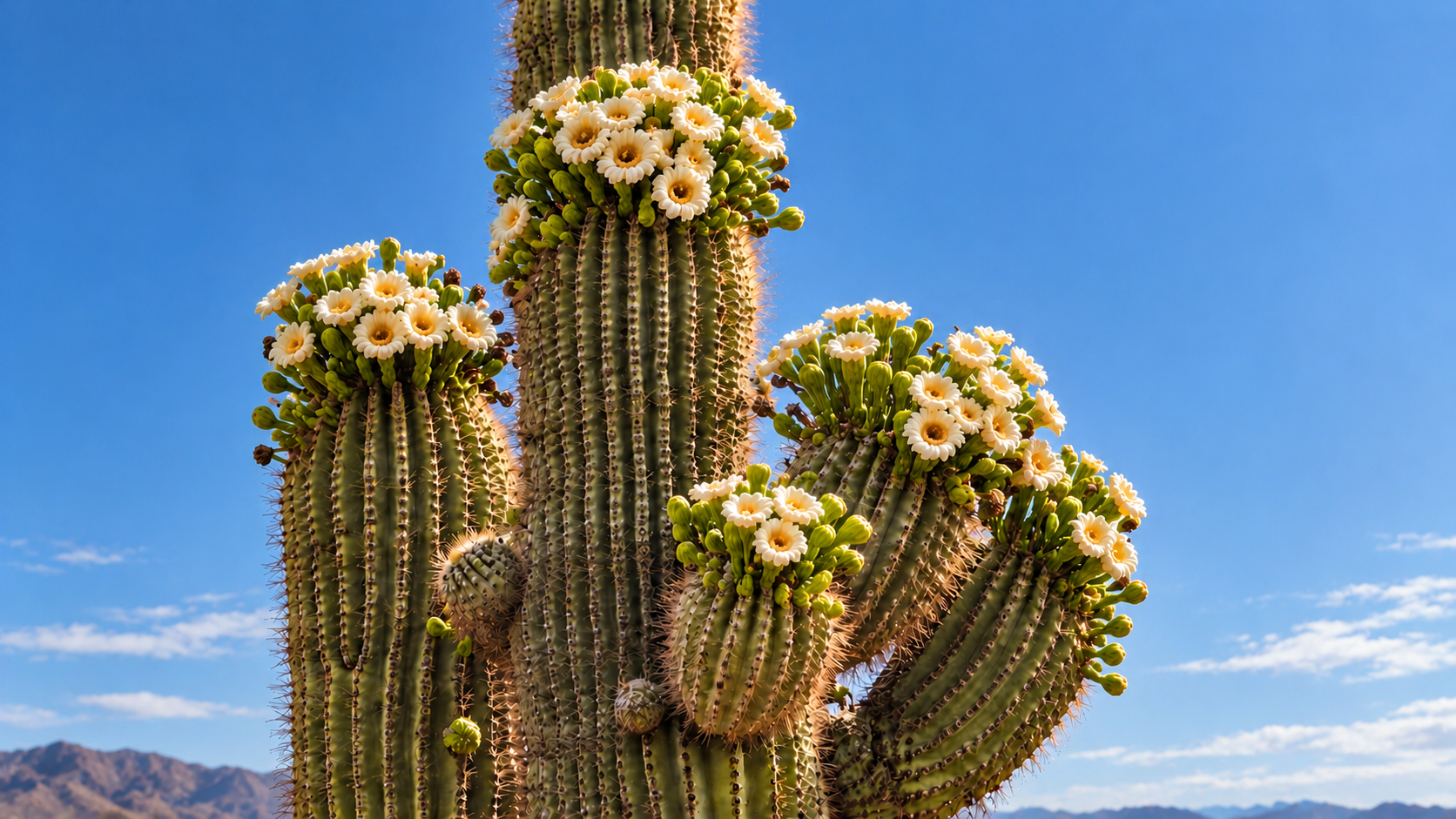
#3 ARIZONA’S STATE FLOWER:
From late April through June, delicate white flowers bloom at the very tops of the saguaro's main trunk and arms. Opening at night and closing by mid-afternoon, these blossoms rely on night-flying lesser long-nosed bats, as well as daytime bees and birds, for pollination. The saguaro blossom is so iconic to the Sonoran Desert that it was officially designated as Arizona's state wildflower in 1931!
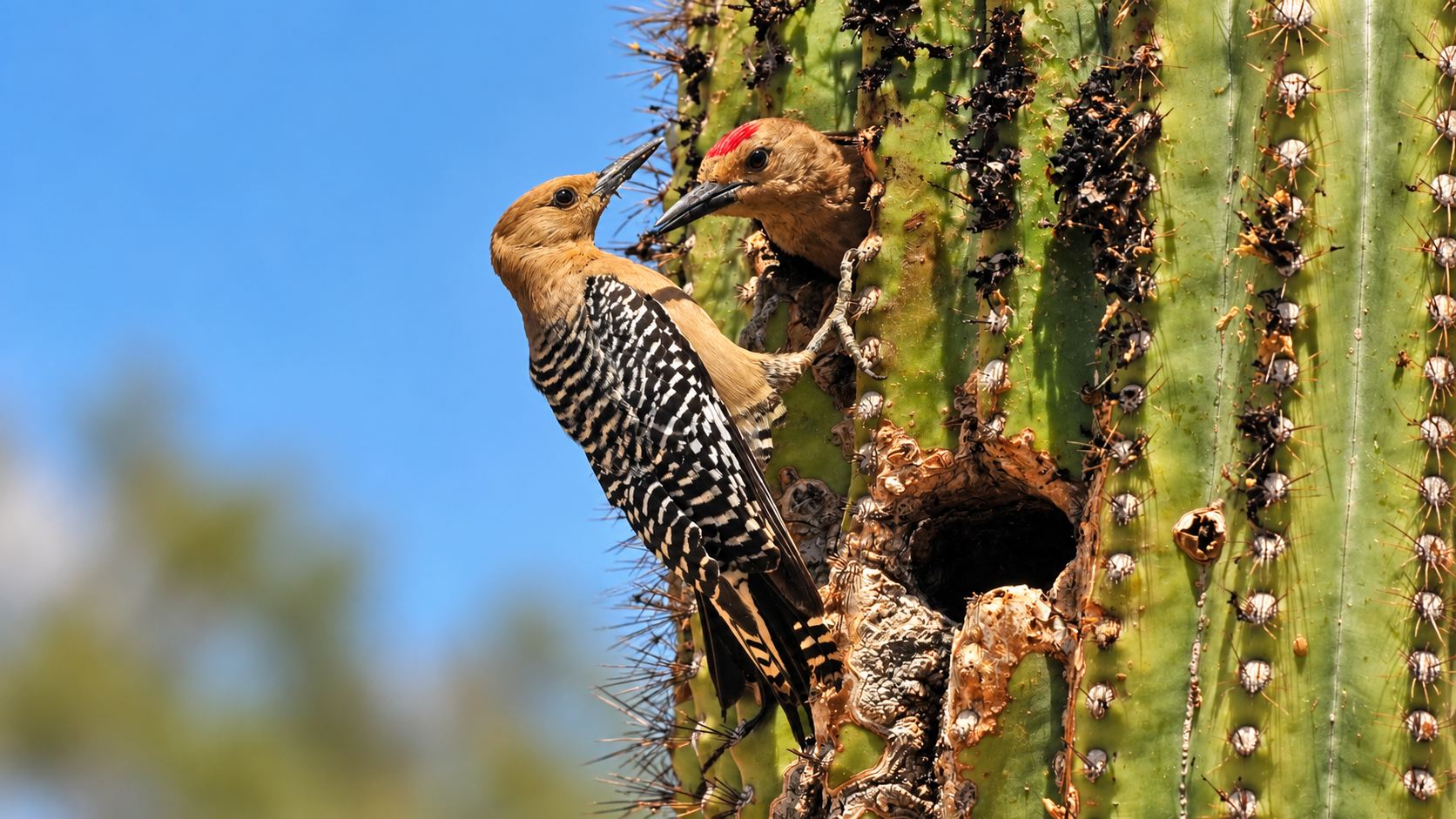
#4 DESERT APARTMENTS FOR WILDLIFE:
Gila Woodpeckers and Gilded Flickers excavate holes in the saguaro's fleshy skin to create cool, safe nesting cavities. Over time, the cactus heals the wound by forming a tough, wooden callus known as a "saguaro boot." Once the woodpeckers move on, these desert apartments are recycled by secondary renters like screech owls, elf owls, purple martins, and lizards seeking relief from the heat.
#5 PROTECTED BY ARIZONA LAW:
The giant saguaro is a strictly protected species under the Arizona Native Plant Law. It is illegal to harm, cut down, or dig up a wild saguaro without a specialized permit from the state. Land developers and homeowners must hire certified cactus relocation teams to carefully transport and replant mature saguaros, ensuring these historic desert giants remain preserved for generations.
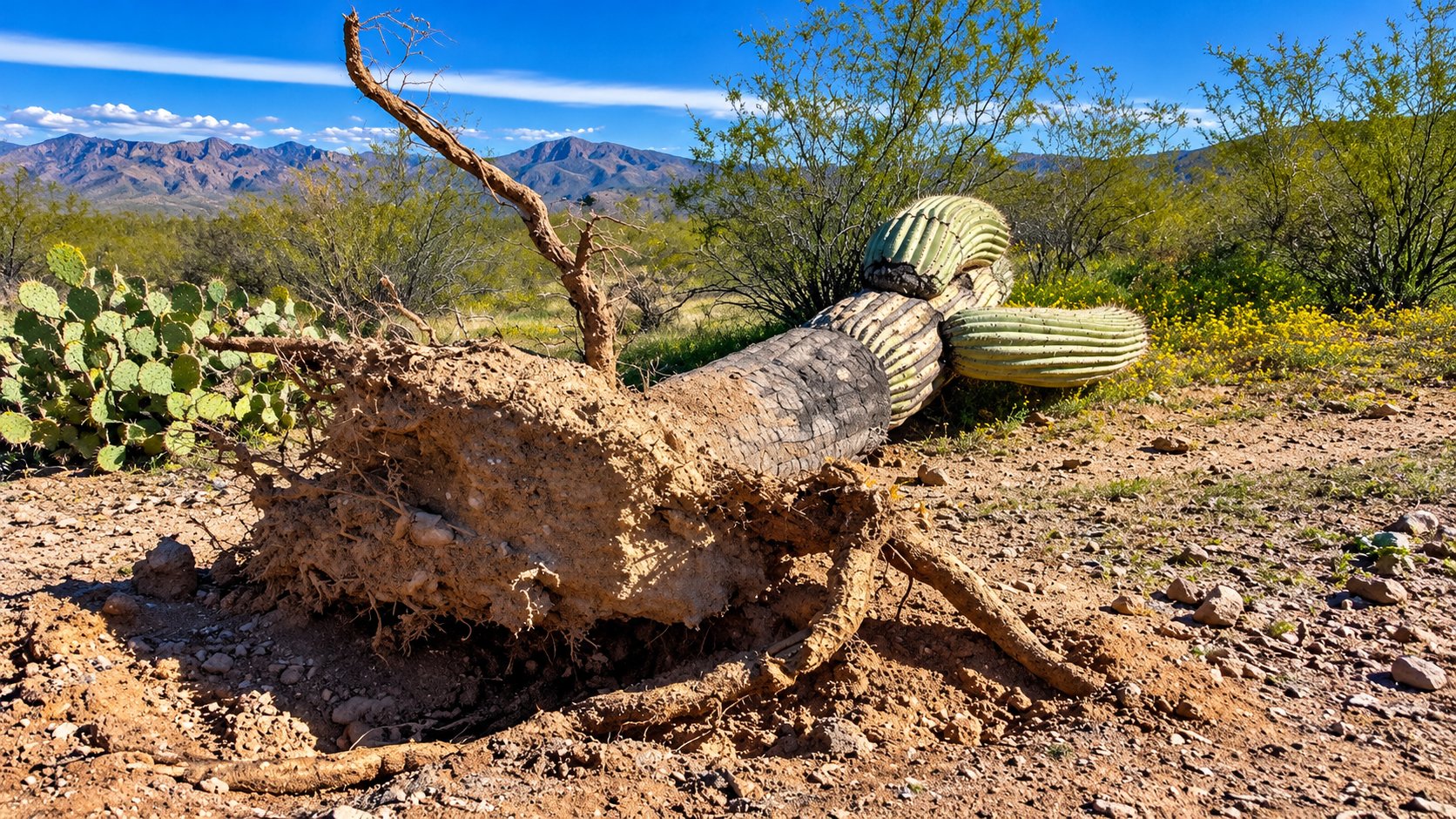
#6 SHALLOW, WIDE ROOT SYSTEMS:
Despite reaching towering heights of 40 feet or more and weighing several tons, a saguaro's main taproot only extends down about 3 feet into the soil. To stay anchored and catch quick rainfall, the cactus sends out a massive horizontal network of shallow roots just below the surface. This root grid extends outward as wide as the plant is tall, soaking up every drop before the desert sun evaporates it.
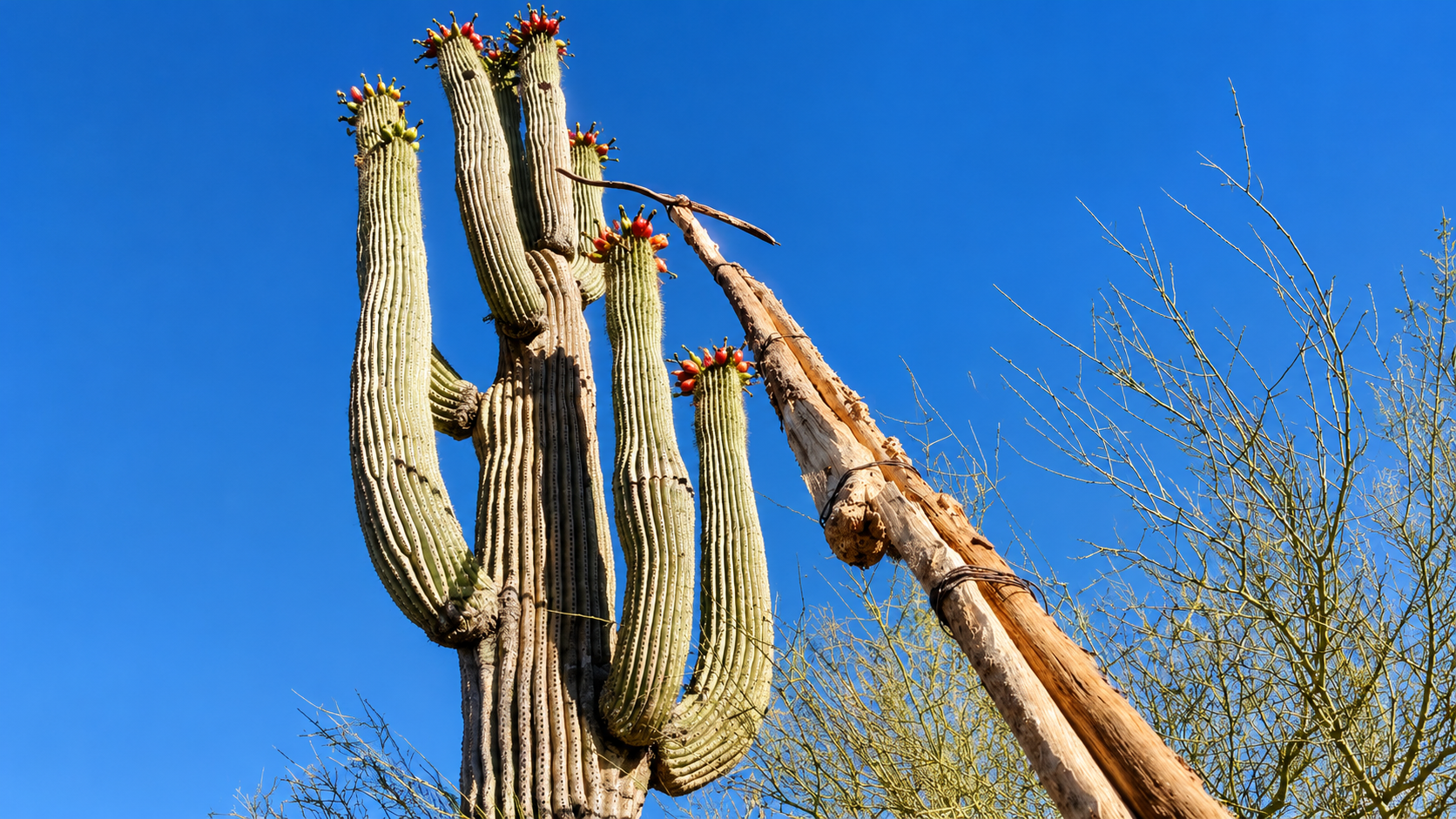
#7 NATIVE HERITAGE & HARVEST:
For centuries, the Tohono O'odham people have celebrated the saguaro as a sacred living provider. In early summer, families harvest the high-canopy sweet red fruit using long poles made from dried saguaro ribs, called kuipad. The harvested fruit is traditionally cooked down into rich syrups, jams, and ceremonial wine used in rainmaking rituals to mark the start of the desert monsoon season.
Best Spots for Saguaro
Viewing & Sunsets
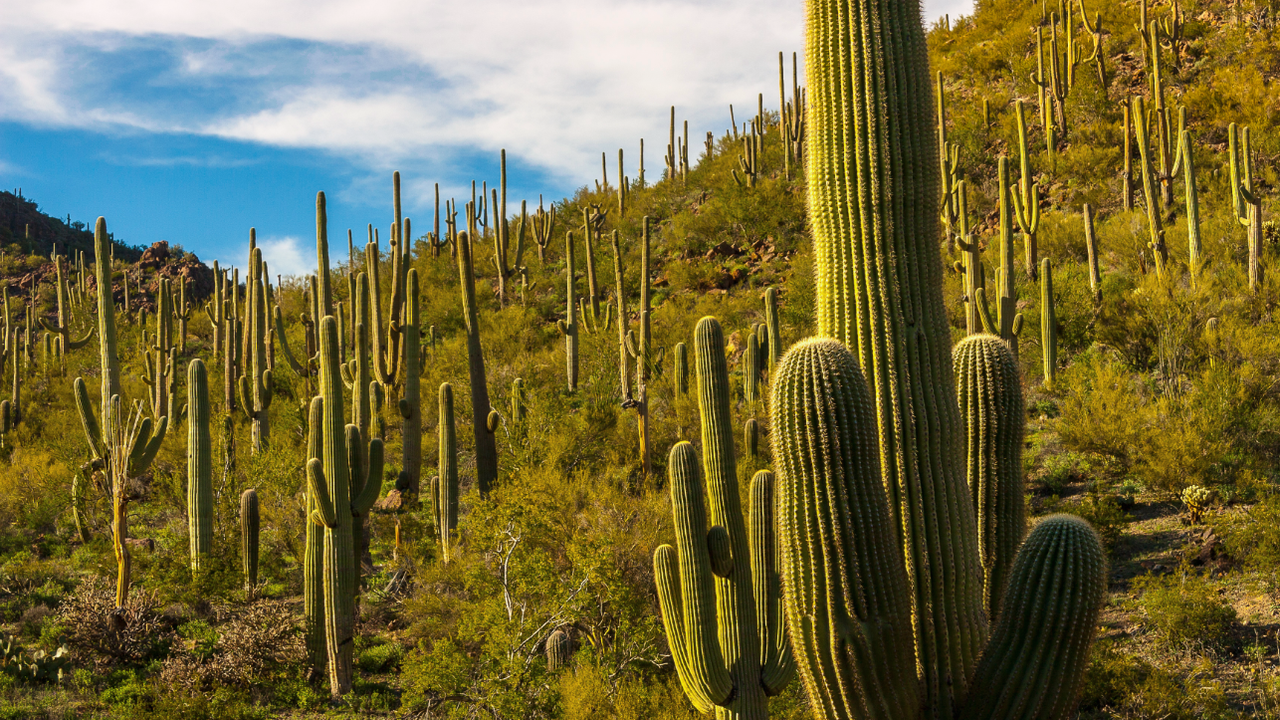
Saguaro National Park West:
Located in the Tucson Mountain District, this area boasts some of the densest saguaro forests in North America set against rugged mountain backdrops. For an easy drive with incredible views, take the unpaved Bajada Loop Drive, or stretch your legs on the short Signal Hill Trail to view ancient Native American petroglyphs carved directly into the rock faces among giant cacti.
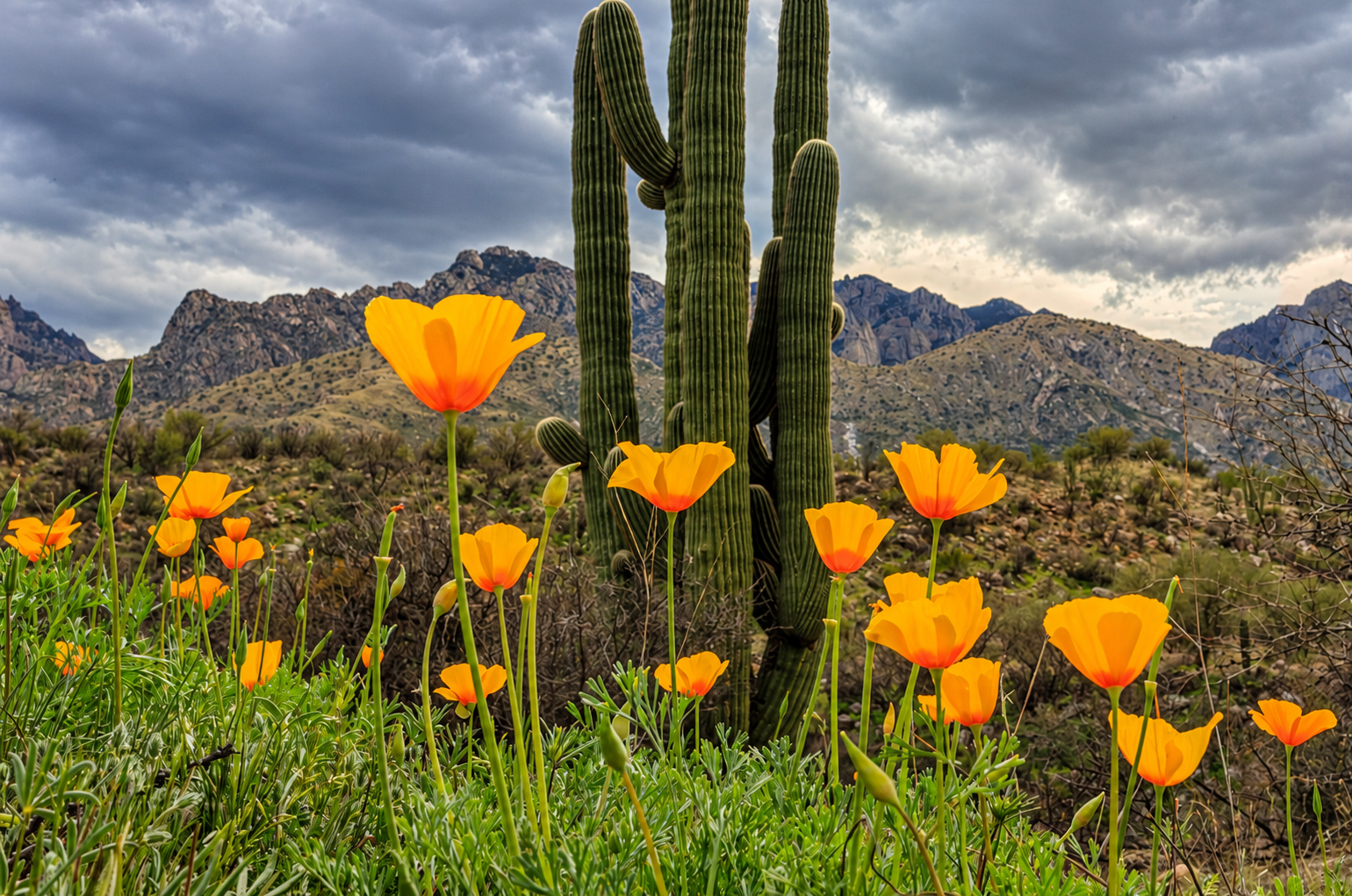
Catalina State Park:
Tucked right against the base of the Santa Catalina Mountains in Oro Valley, this park offers a striking visual contrast between towering saguaros and dramatic granite cliffs. Depending on winter rainfall, spring transforms the trails with vibrant sweeps of golden Mexican poppies and desert wildflowers. Walk the family-friendly Canyon Loop Trail during late afternoon to catch golden-hour light reflecting off the colorful blooms, mountain peaks, and cactus arms.
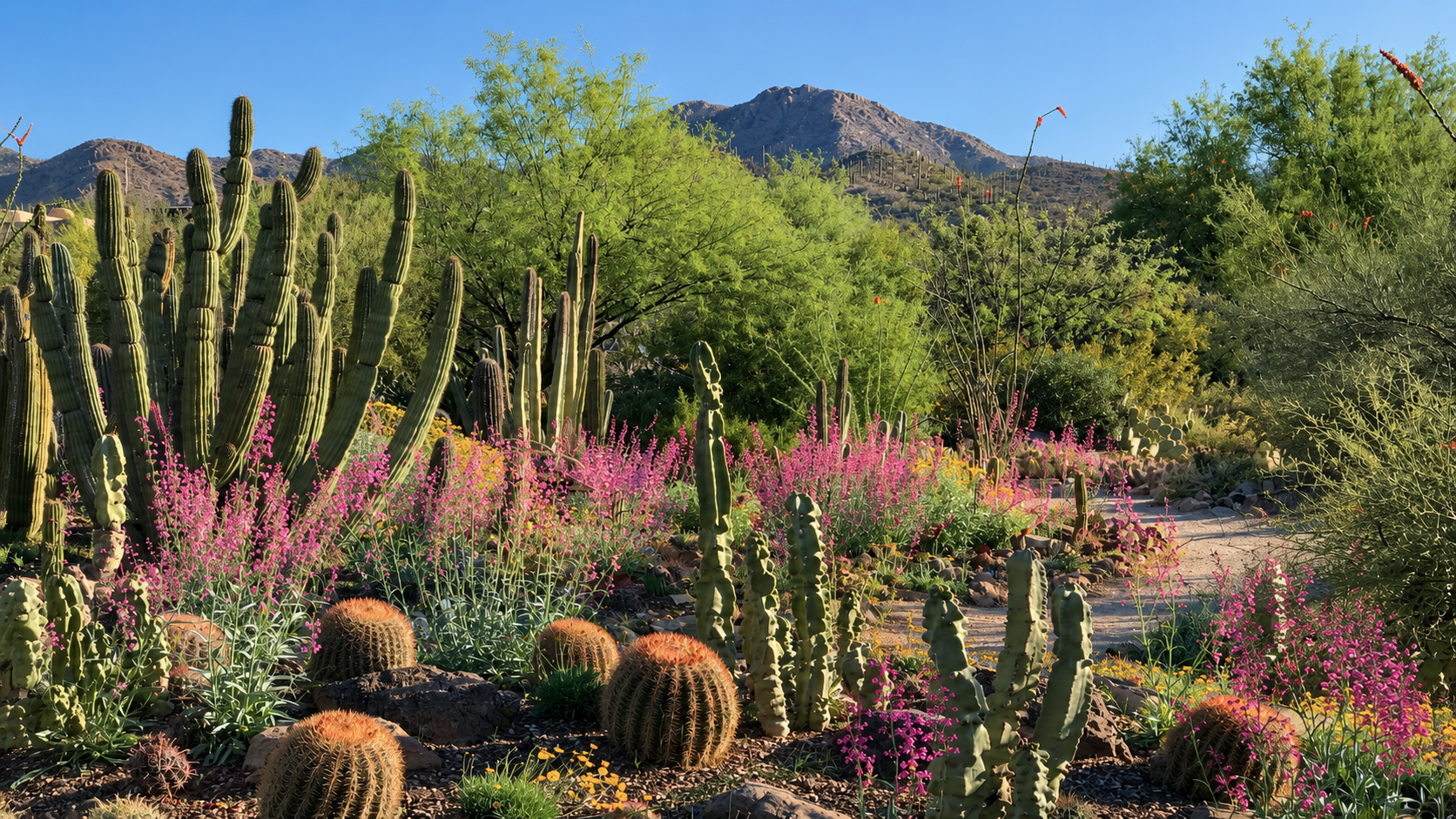
Arizona-Sonora Desert Museum:
Consistently ranked among the top museums in the country, this world-renowned outdoor living museum features two miles of accessible walking paths through natural Sonoran Desert habitat. Guests can get up close to pristine saguaro specimens while observing native wildlife like bobcats, javelinas, mountain lions, and free-flight raptors.
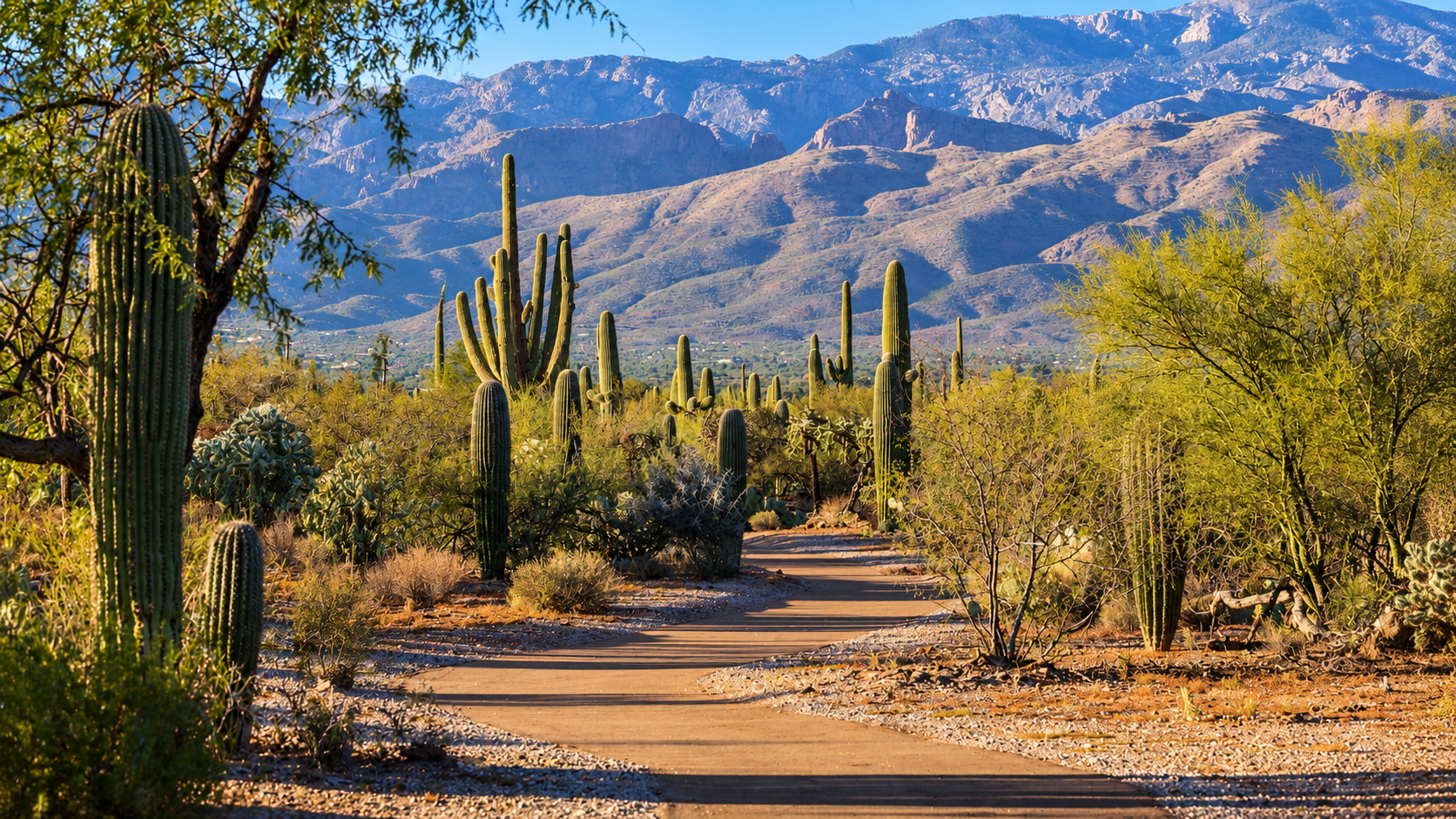
Saguaro National Park East:
Located in the Rincon Mountain District, the paved Cactus Forest Loop Drive offers a smooth, 8-mile scenic ride perfect for driving, cycling, or photo stops. This eastern section features some of the oldest, tallest, and most intricately branched saguaros in the region framed by towering mountain peaks.
Planning your daily itineraries? Explore our other local blog posts for curated recommendations on dining, outdoor trails, regional attractions, and more!